Complete Iron Ore Pelletizing Process
Detailed website content with stage illustrations
Handling
Preparation
Pelletizing
& Firing
Pellets
Process Purpose
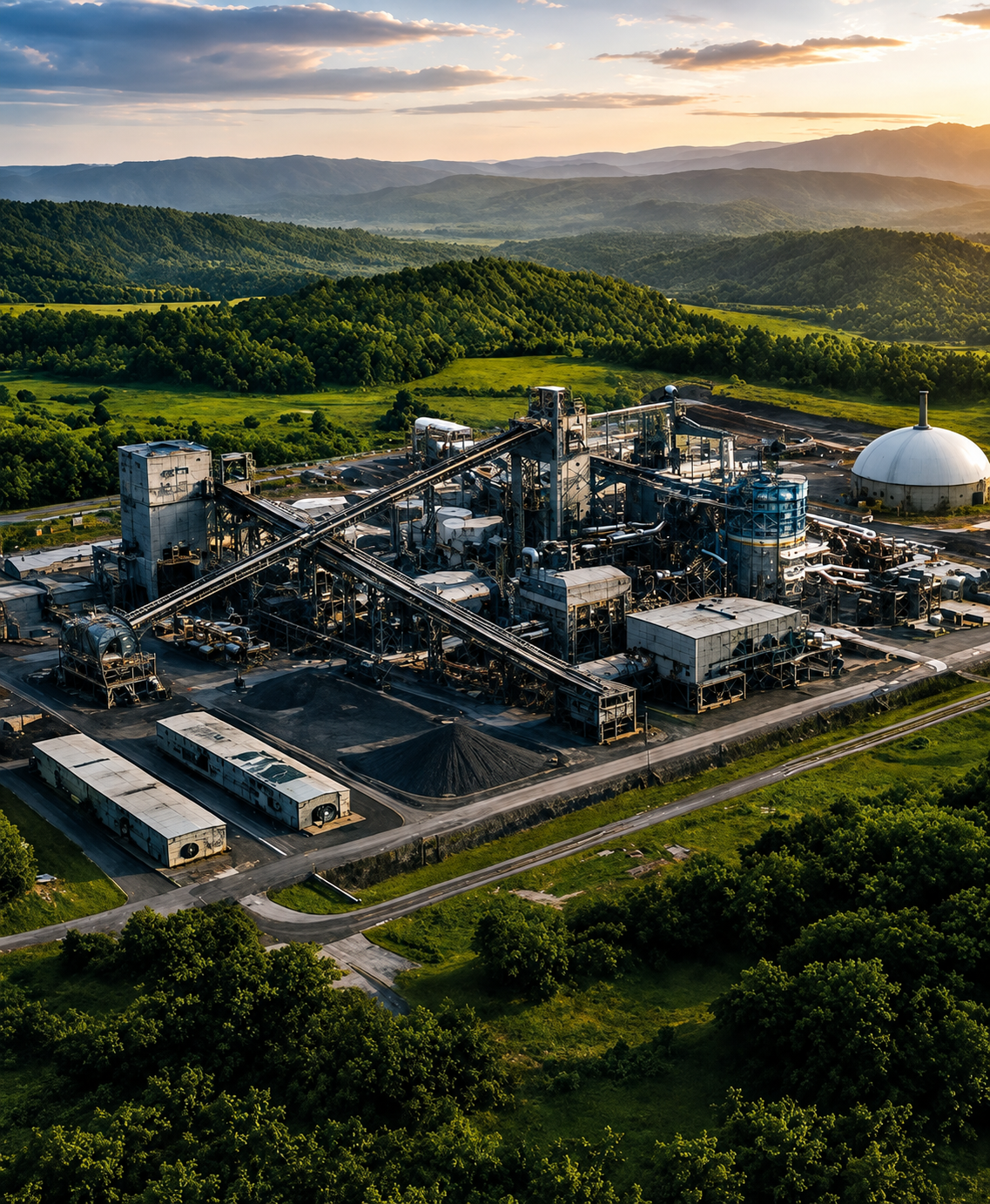
The proposed process converts locally sourced iron ore fines into hardened, screened and dispatch-ready pellets. Each stage is connected through controlled material flow, instrumentation, utilities, quality checks and automation. This document provides editable website-ready descriptions for every major process stage.
Raw Material Handling
Receiving, stockpiling, reclaiming and stable plant feed
Process Overview
Raw material handling is the first reliability and quality-control point in the pelletizing chain. Truck or rail deliveries are received, unloaded, transferred to stockpiles and reclaimed at a controlled rate.
Main Equipment
- Truck or rail unloading system
- Receiving hopper and feeder
- Belt conveyors and transfer chutes
- Stacker, stockpile and reclaimer
- Dust extraction and metal-detection systems
How the Stage Operates
- Incoming ore is discharged into the receiving hopper.
- Feeders regulate the flow to conveyors or stockpiles.
- Stockpiling buffers mine-delivery fluctuations and supports blending.
- Reclaiming delivers a stable feed to the crushing circuit.
Key Control Parameters
- Hopper level and feeder rate
- Conveyor speed and belt load
- Stockpile inventory and reclaim rate
- Metal detection, dust extraction and emergency stops
Quality & Reliability
- Stable crusher loading
- Reduced blockages and process surges
- Controlled blending of ore sources
- Safer unloading and transfer operations
Website Copy
- Reliable pellet production begins with controlled delivery, safe unloading, organized stockpiling and stable reclaiming of iron ore feed.
Crushing & Screening
Size reduction, classification and oversize recycle
Process Overview
Crushing and screening prepare the ore for efficient fine grinding. Primary and secondary crushers reduce particle size, while vibrating screens separate acceptable mill feed from oversize material.
Main Equipment
- Primary crusher
- Secondary crusher
- Vibrating screen
- Oversize recycle conveyors
- Magnetic separator or metal detector
How the Stage Operates
- Primary crushing performs the first major size reduction.
- Secondary crushing reduces material toward the grinding-feed target.
- Screens classify material by size.
- Oversize particles return to the crushing circuit.
Key Control Parameters
- Crusher feed rate and motor current
- Bearing temperature and vibration
- Screen loading and aperture condition
- Recycle rate and chute blockage detection
Quality & Reliability
- Reference crushed size below approximately 10 mm
- Consistent mill feed
- Reduced mill overload risk
- Protected equipment through interlocks and metal detection
Website Copy
- Controlled crushing and screening create the particle-size foundation required for efficient grinding and consistent pellet-feed preparation.
Grinding & Beneficiation
Fine grinding, hydrocyclone classification and optional upgrading
Process Overview
Grinding increases the ore surface area required for pellet formation. Hydrocyclone classification separates fine slurry from coarse particles, while beneficiation may improve iron grade where test results justify it.
Main Equipment
- Ball mill or vertical mill
- Hydrocyclone cluster
- Slurry pumps and tanks
- Magnetic separators or flotation cells when required
- Thickener and filter when installed
How the Stage Operates
- Crushed ore is ground with controlled water addition.
- Hydrocyclones return coarse material to the mill.
- Fine slurry advances to beneficiation or conditioning.
- Magnetic separation or flotation removes gangue where required.
Key Control Parameters
- Mill feed and water addition
- Mill power and circulating load
- Cyclone pressure, density and overflow size
- Slurry solids and beneficiation performance
Quality & Reliability
- Typical ground-feed reference below approximately 45 microns
- Stable particle-size distribution
- Avoidance of unnecessary overgrinding
- Ore upgrading based on validated mineralogy
Website Copy
- Crushed ore is ground and classified to produce a fine, consistent pellet feed, with beneficiation added only when ore quality requires upgrading.
Pellet Feed Preparation
Thickening, filtration, conditioning, binder and flux addition
Process Overview
Fine ore must be converted into a homogeneous pelletizer feed. Moisture, solids, binder, flux and optional additives are controlled to establish the chemistry and binding properties needed for strong green pellets.
Main Equipment
- Thickener and filtration system
- Slurry or intensive mixer
- Binder and flux silos
- Loss-in-weight or screw feeders
- Water-dosing and sampling systems
How the Stage Operates
- Slurry is thickened and filtered where required.
- Bentonite or another approved binder is dosed accurately.
- Limestone, dolomite or optional additives are added according to recipe.
- Mixing distributes moisture and additives uniformly.
Key Control Parameters
- Feed moisture and solids concentration
- Binder and flux dosing accuracy
- Mixer residence time and power
- Recipe control and sampling results
Quality & Reliability
- Uniform additive distribution
- No dry pockets or excessive wet zones
- Stable pelletizer feed rate
- Repeatable green-pellet strength
Website Copy
- Pellet quality begins before the pelletizer. Accurate dosing and uniform conditioning establish the moisture, chemistry and binding characteristics needed for stable pellet formation.
Disc Pelletizing
Green-pellet formation, size control and operating variables
Process Overview
Conditioned ore enters a rotating disc or drum. Fine particles form nuclei and grow through controlled rolling, layering and water addition until green pellets reach the required size.
Main Equipment
- Disc pelletizer or drum pelletizer
- Feed distributor
- Water-spray system
- Green-pellet screen
- Return-fines recycle system
How the Stage Operates
- Fine particles first form small nuclei.
- Additional feed adheres as pellets roll and grow in layers.
- Water spray supports agglomeration.
- Screening separates acceptable pellets from return fines and oversize material.
Key Control Parameters
- Disc angle and rotational speed
- Feed rate and distribution
- Water spray rate and pattern
- Binder dosage, feed moisture and residence time
Quality & Reliability
- Typical green-pellet diameter approximately 8-16 mm
- Size distribution and roundness
- Drop resistance and green compressive strength
- Controlled return-fines rate
Website Copy
- A disc or drum pelletizer converts conditioned fine ore into uniform green pellets through controlled feed, rolling action, water addition and residence time.
Drying & Preheating
Progressive moisture removal and controlled thermal preparation
Process Overview
Green pellets contain residual moisture and are mechanically fragile. Drying must remove moisture gradually, while preheating raises pellet temperature and prepares the structure for firing.
Main Equipment
- Drying chamber or furnace zone
- Preheating zone
- Process-air fans and ducts
- Temperature and pressure instrumentation
- Dust collection and material transport
How the Stage Operates
- Warm process gas removes moisture progressively.
- Controlled heating prevents steam cracking and pellet breakdown.
- Preheating raises the pellet temperature before firing.
- Thermal conditions are balanced across the pellet bed.
Key Control Parameters
- Drying and preheating temperature profiles
- Airflow, draft and bed depth
- Gas humidity and residence time
- Fan, conveyor and transport interlocks
Quality & Reliability
- Low cracking and degradation
- Uniform temperature through the bed
- Reduced fines generation
- Stable transfer to the firing zone
Website Copy
- Controlled drying protects green-pellet integrity, while preheating prepares each pellet for high-temperature bonding and strength development.
Firing / Induration
Heat hardening and strength development
Process Overview
Firing develops the mechanical and thermal strength required for handling and steelmaking. Temperature, combustion, airflow, draft and residence time are controlled to produce uniformly hardened pellets.
Main Equipment
- Firing furnace or kiln zone
- Burners and fuel system
- Combustion-air fans
- Draft and off-gas system
- Temperature, pressure and emissions instruments
How the Stage Operates
- Pellets are heated to the bonding temperature.
- Mineral phases react and strengthen the pellet structure.
- Combustion and airflow maintain a stable thermal profile.
- After-firing conditions complete the heat-treatment cycle.
Key Control Parameters
- Firing temperature and residence time
- Fuel and combustion-air flow
- Furnace draft and pressure
- Off-gas condition and protection trips
Quality & Reliability
- Project reference up to approximately 1300-1350°C
- Uniform pellet strength
- Avoidance of underfiring or overfiring
- Controlled particulate and gas emissions
Website Copy
- The induration stage heat-hardens green pellets through controlled drying, preheating and firing to develop the strength needed for handling and downstream use.
Cooling & Finished Product
Temperature reduction, screening, storage and dispatch
Process Overview
After firing, hot pellets are cooled to a safe handling temperature, screened to remove off-size material and transferred to finished-product storage for dispatch.
Main Equipment
- Pellet cooler
- Cooling-air fans
- Finished-product screen
- Storage stockpile, bin or covered system
- Road or rail loading equipment
How the Stage Operates
- Cooling air reduces product temperature while protecting pellet strength.
- Hot air may be recovered where justified by energy design.
- Screening removes undersize and oversize fractions.
- Acceptable pellets are stored and loaded for dispatch.
Key Control Parameters
- Pellet discharge temperature
- Cooler airflow and pressure
- Screen efficiency and off-size rate
- Storage level, loading rate and dust control
Quality & Reliability
- Protection of conveyors and personnel
- Maintained pellet strength
- Dispatch-ready product condition
- Controlled recycling or management of off-size pellets
Website Copy
- Fired pellets are cooled, screened and stored to create a safe, consistent and dispatch-ready finished product for road, rail or potential export logistics.
Website Publishing & SEO Package
Content Validation Note
All capacities, equipment selections, fuel choices, process guarantees, product specifications, project status, logistics routes and environmental limits are conceptual or reference information. They must be confirmed through testwork, engineering studies, approved vendor data and formal project decisions before public release.